
Summary
What Is the Choquequirao Trek?
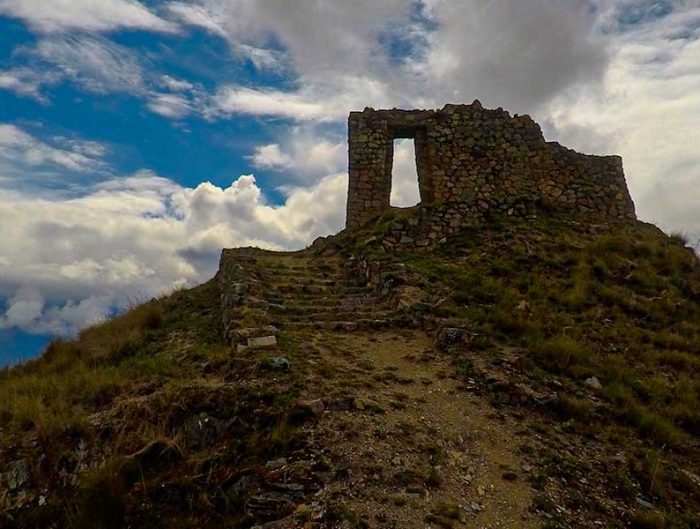
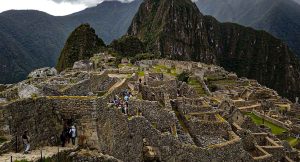
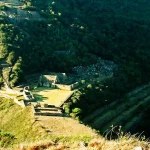
Choquequirao is an ancient Inca city located deep in the Apurímac Canyon. Unlike Machu Picchu, it receives very few visitors, making it perfect for travelers seeking solitude and raw nature. Often called the “sister city of Machu Picchu,” Choquequirao is larger in area but remains only partially excavated, offering a sense of discovery that Machu Picchu no longer provides.
- Location: Cusco Region, Peru
- Altitude: up to 3,050 m (ruins)
- Duration: 4 to 5 days
- Difficulty: Challenging
- Highlights: Panoramic views of the Apurímac River, terraces, ceremonial plazas, and untouched ruins

Choquequirao Trek Itinerary (4 Days)
Day 1: Cusco – Capuliyoc – Chiquisca
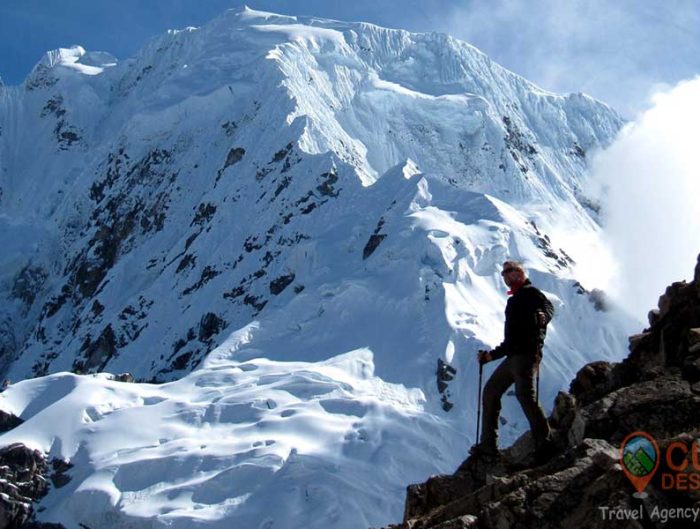
Start early from Cusco and descend into the Apurímac Canyon. Enjoy breathtaking views of snow-capped peaks and the river below. Overnight at Chiquisca campsite.
Day 2: Chiquisca – Choquequirao
Steep ascent to the ruins. First views of Choquequirao appear as you approach the terraces. This is the most demanding day of the trek.
Day 3: Explore Choquequirao – Return Trek
Guided visit of the archaeological site and surrounding terraces. Explore temples, plazas, and farming areas. Afternoon descent back toward the canyon.
Day 4: Return to Cusco
Hike back through the canyon and transfer to Cusco. Optional stop at viewpoints for photos of the Apurímac River.
How Difficult Is the Choquequirao Trek?
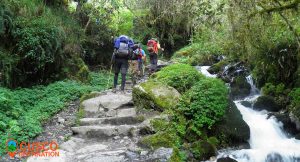
This trek is considered challenging due to steep ascents and descents. It is often compared to the Inca Trail but requires more endurance.
- Long hiking days (6–8 hours)
- High temperatures in the canyon
- Significant elevation changes
- Remote location with limited facilities
Recommended for: experienced hikers or travelers in good physical condition. Proper acclimatization in Cusco is advised before starting.

How Much Does the Choquequirao Trek Cost?
Prices vary depending on the operator and level of service. Costs also depend on whether you choose group tours or private expeditions.
- Budget tours: $300 – $400 USD
- Standard tours: $400 – $600 USD
- Private tours: $700+ USD
Most packages include transportation, guide, meals, and camping equipment. Some premium tours also provide mules for carrying gear and upgraded meals.
Choquequirao vs Machu Picchu
- Choquequirao: remote, fewer tourists, more physically demanding, still under excavation
- Machu Picchu: easier access, more crowded, iconic destination with established infrastructure
If you want adventure and isolation, Choquequirao is the better choice. If you want cultural depth and iconic views, Machu Picchu is unmatched. Many travelers combine both for a complete Inca experience.
Best Time to Do the Choquequirao Trek
- Dry season (May–September): best conditions, clear skies, cooler nights
- Rainy season (November–March): more challenging, slippery trails, but greener landscapes
October and April are shoulder months, offering fewer crowds and moderate weather.

Who Is This Trek For?
- Adventure travelers seeking off-the-beaten-path experiences
- Experienced hikers looking for a physical challenge
- People searching for less crowded alternatives to Machu Picchu
- Travelers interested in archaeology and authentic exploration
📲 Book Your Choquequirao Trek
Spots are limited and conditions vary throughout the year. Contact us to check availability:
👉 Check Availability on WhatsApp
if you want more information visit our website ==> Cusco Destination
FAQs
Is Choquequirao harder than the Inca Trail?
Yes, it is generally more physically demanding due to longer hiking days and steeper climbs.
Can you combine Choquequirao with Machu Picchu?
Yes, extended treks (7–9 days) connect both destinations, offering the ultimate Inca adventure.
Is Choquequirao worth it?
Absolutely, especially if you want a less crowded and more authentic experience. It is often described as Machu Picchu before mass tourism.
Do I need a guide?
While not mandatory, a guide is highly recommended for navigation, safety, and historical context.
What should I pack?
Essential items include trekking boots, layered clothing, rain gear, sunscreen, insect repellent, and a good sleeping bag.

You might also like