
Summary
What Is the Ausangate Trek?
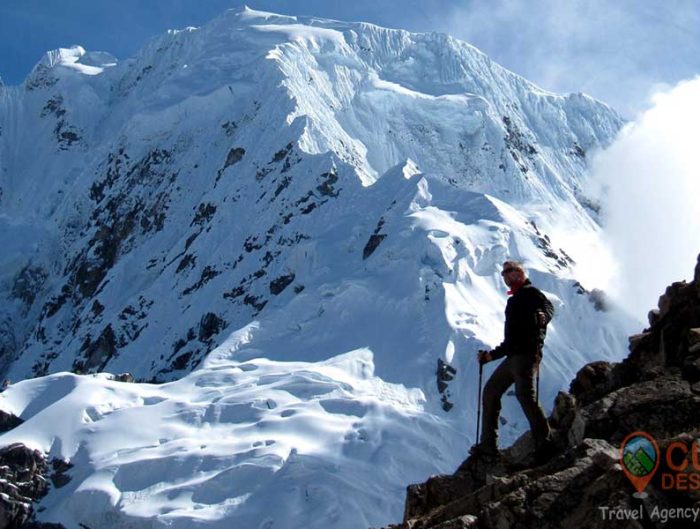
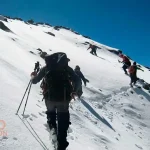
The Ausangate Trek circles the Ausangate Mountain (6,384 m), one of the most sacred peaks in the Andes. Along the way, trekkers encounter herds of alpacas, remote villages, and colorful lakes formed by glacial meltwater. This trek is less crowded than the Inca Trail, offering a more authentic and isolated experience.
- Location: Cusco Region, Peru
- Duration: 4 to 6 days
- Max altitude: 5,200+ meters
- Difficulty: Challenging
- Highlights: Glaciers, hot springs, turquoise lakes, and traditional Andean communities

Ausangate Trek Itinerary (5 Days)
Day 1: Cusco – Upis
Transfer from Cusco and start hiking through highland valleys. Overnight near hot springs with views of Ausangate Mountain.
Day 2: Upis – Pucacocha
Pass near glaciers and enjoy stunning mountain views. Campsite near turquoise lakes surrounded by snow-capped peaks.
Day 3: Pucacocha – Ausangate Pass
Reach one of the highest points of the trek (over 5,000 m). Panoramic views of Ausangate and surrounding valleys.
Day 4: Surinecocha – Rainbow Mountain
Optional visit to Rainbow Mountain (Vinicunca), famous for its colorful mineral layers. This day is a highlight for photographers.
Day 5: Return to Cusco
Final descent through remote valleys and transfer back to Cusco. Opportunity to interact with local herders and communities.

How Difficult Is the Ausangate Trek?
The Ausangate Trek is considered challenging due to altitude and weather conditions. Proper acclimatization in Cusco or the Sacred Valley is essential before starting.
- High altitude (above 5,000 m)
- Cold temperatures, especially at night
- Long hiking days (6–8 hours)
- Remote terrain with limited facilities
Recommended for: experienced hikers with good acclimatization and proper gear.

How Much Does the Ausangate Trek Cost?
Prices vary depending on group size, operator, and whether Rainbow Mountain is included.
- Group tours: $300 – $600 USD
- Private tours: $700+ USD
Most tours include guide, meals, transport, and camping gear. Premium tours may also include horses or llamas to carry equipment.
Ausangate Trek + Rainbow Mountain Option
Many itineraries include a visit to Rainbow Mountain (Vinicunca), one of the most famous natural attractions in Peru. This combination adds extra scenic value and is perfect for photographers.
- Extra scenic value
- More complete experience
- Perfect combination for photographers
- Opportunity to see both glaciers and colorful mineral landscapes
Best Time to Do the Ausangate Trek
- Dry season (May–September): best weather conditions, clear skies, and stable trails
- Rainy season (November–March): more difficult and slippery trails, but greener landscapes
April and October are shoulder months with fewer crowds and moderate weather.
Who Is This Trek For?
- Adventure travelers seeking remote landscapes
- Experienced hikers looking for a high-altitude challenge
- Photographers interested in glaciers, lakes, and Rainbow Mountain
- Travelers wanting cultural immersion with Andean communities
📲 Book Your Ausangate Trek
Due to altitude and logistics, planning is important. Contact us to check availability:
👉 Check Availability on WhatsApp
if you want more information visit our website ==> Cusco Destination
FAQs Of Ausangate Trek

Is the Ausangate Trek harder than Salkantay?
Yes, mainly due to higher altitude and colder conditions. The Salkantay Trek is more scenic and diverse, while Ausangate is more extreme and remote.
Do I need acclimatization?
Yes, at least 2–3 days in Cusco before starting. Many travelers combine acclimatization with short hikes in the Sacred Valley.
Is Rainbow Mountain included?
Many tours include it as part of the itinerary, but confirm with your operator. It is one of the highlights of the region.
What should I pack?
Essential gear includes trekking boots, thermal clothing, gloves, rain gear, sunscreen, and a sleeping bag rated for sub-zero temperatures.
Is Ausangate worth it?
Absolutely. It offers solitude, sacred landscapes, and authentic Andean culture far from the crowds of Machu Picchu.

You might also like