
Summary
What Is Altitude Sickness?
Altitude sickness, also known as soroche, occurs when your body has difficulty adapting to lower oxygen levels at high elevations.
Additional Insight: The condition is more common above 2,500 meters. Cusco’s altitude makes it one of the highest major cities in the world, which is why acclimatization is so important.
Symptoms can range from mild discomfort to more serious conditions if ignored.

Common Symptoms of Altitude Sickness
- Headache
- Dizziness
- Nausea
- Shortness of breath
- Fatigue
- Difficulty sleeping
- Loss of appetite
Most travelers experience mild symptoms during the first 24–48 hours in Cusco.
Extra Tip: Symptoms often improve after resting and hydrating. Severe cases are rare but should not be ignored.
Why Is Cusco More Challenging Than Machu Picchu?
Cusco sits at a much higher altitude than Machu Picchu.
- Cusco: 3,400 m (11,150 ft)
- Machu Picchu: 2,430 m (7,970 ft)
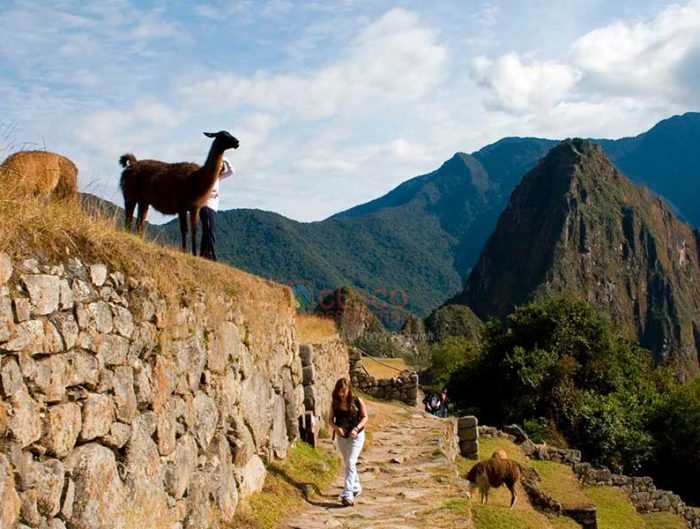
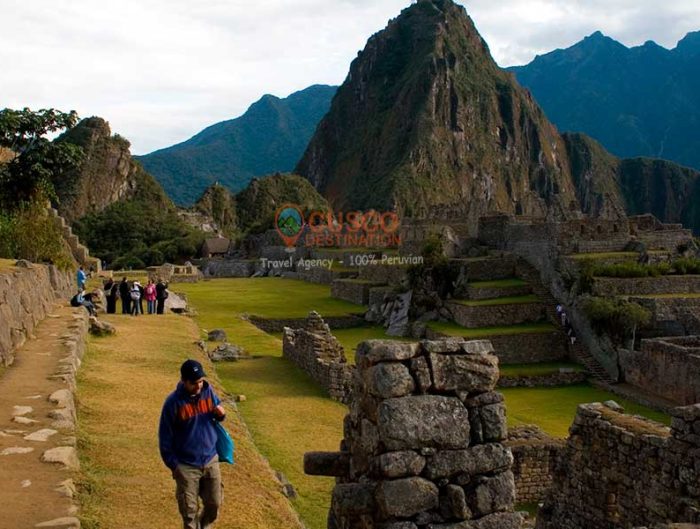
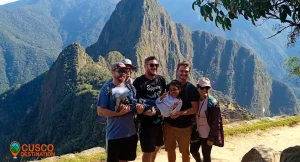
This means many travelers actually feel better once they arrive at Machu Picchu.
Additional Insight: Spending a night in the Sacred Valley (lower altitude) before visiting Cusco can help reduce symptoms.

How to Prevent Altitude Sickness in Cusco
1. Rest During Your First Day
Avoid intense activities immediately after arriving in Cusco. Give your body time to acclimatize.
2. Stay Hydrated
Drink plenty of water throughout the day. Dehydration can worsen symptoms.
3. Avoid Heavy Meals and Alcohol
Alcohol and large meals may increase discomfort during the acclimatization process.
4. Drink Coca Tea
Coca tea is a traditional remedy widely used in the Andes to help reduce altitude symptoms.
5. Sleep Well
Getting enough rest is essential during your first days at high altitude.
Extra Tip: Some travelers use altitude medication such as acetazolamide (Diamox). Consult your doctor before your trip.

Altitude Sickness Tips for Trekking Tours
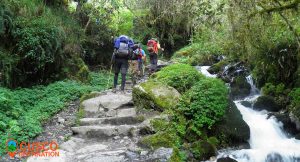
If you are planning hikes such as the Salkantay Trek or Inca Trail, proper acclimatization is very important.
✔ Spend at least 2 days in Cusco before trekking
✔ Walk slowly during the first hiking days
✔ Bring water and snacks
✔ Listen to your guide’s recommendations
👉 Recommendation: Many travelers visit the Sacred Valley before trekking because it has a lower altitude than Cusco.
Extra Tip: Oxygen bottles and altitude pills are available in Cusco pharmacies and hotels for emergencies.
When Should You Seek Medical Help?
Mild altitude sickness is common, but severe symptoms require immediate attention.
Seek medical assistance if you experience:
- Severe breathing difficulty
- Chest pain
- Confusion
- Persistent vomiting
- Difficulty walking
Additional Insight: Cusco has clinics and hospitals experienced in treating altitude-related conditions. Many hotels also provide oxygen tanks for guests.
Can You Visit Machu Picchu with Altitude Sickness?
Yes. Since Machu Picchu is located at a lower elevation than Cusco, many travelers feel significantly better once they arrive there.
However, proper acclimatization before your visit is still highly recommended.
Extra Tip: If symptoms persist, consider spending a night in Aguas Calientes (Machu Picchu Pueblo) before visiting the citadel.
Plan Your Trip to Cusco and Machu Picchu
Choosing the right itinerary can help you acclimatize better and enjoy a smoother experience in Peru. – Altitude sickness in Cusco
👉 Explore our Machu Picchu tours:
Treks To Machu Picchu
👉 Adventure trekking tours:
Salkantay Trek to Machu Picchu
👉 Need travel advice?
Chat with us on WhatsApp
Frequently Asked Questions of altitude sickness in Cusco
How long does altitude sickness last in Cusco?
Most travelers feel better after 1–2 days of acclimatization.
Is altitude sickness dangerous?
Mild symptoms are common, but severe symptoms should be treated immediately.
Does everyone get altitude sickness in Cusco?
No, but many travelers experience at least mild symptoms during the first days.
Is Machu Picchu at a high altitude?
Machu Picchu is lower than Cusco, so many visitors feel more comfortable there.
Can children experience altitude sickness?
Yes, children can also be affected. Parents should monitor symptoms closely and ensure proper hydration and rest.
Are oxygen tanks available in Cusco?
Yes, many hotels and pharmacies provide oxygen tanks or can arrange medical assistance if needed.
Conclusion of altitude sickness in Cusco
Altitude sickness in Cusco is common, but with proper preparation and acclimatization, most travelers can enjoy a safe and unforgettable trip to Machu Picchu and the Peruvian Andes.
Final Advice: Take it slow, stay hydrated, and listen to your body. With the right precautions, altitude sickness will not stop you from experiencing the magic of Cusco and Machu Picchu.

You might also like