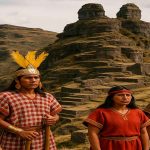
Waqrapukara: The Fortress of the Horns
Waqrapukara is an archaeological gem located in the Cusco region of Peru. Its name comes from Quechua, where “waqra” means horn and “pukara” means fortress, referring to its imposing structure, which appears to be crowned by two large rock formations. This site is a testament to Inca engineering and worldview, as well as a fascinating destination for history and nature lovers.

Summary
Discovery and Historical Significance
Waqrapukara has been the subject of various archaeological and astronomical investigations. It is believed to have been a religious sanctuary and an astronomical observatory, as well as a strategic fortress. Its architecture features double- and triple-jamb niches, typical of Inca ceremonial sites, and its location suggests it served a ritual purpose linked to the stars.
Location and Geographic Area
This site is located in the province of Acomayo, district of Acos, at approximately 4,300 meters above sea level. It stands on a ravine, surrounded by a stunning landscape with cliffs and geological formations sculpted by wind and rain over millennia.
How to Get to Waqrapukara
To get to Waqrapukara from Cusco, there are several access routes:
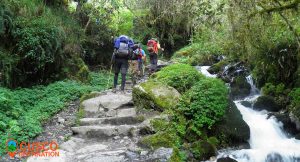
– Route from Cusipata: Take a private vehicle to the town of Santa Lucía, from where you begin a hike of approximately 2 hours to the archaeological site.
– Route from Sangarará: This option involves a longer hike, but allows you to enjoy spectacular landscapes and a more immersive experience with nature.
Recent Research
Archaeoastronomical research has revealed that Waqrapukara was aligned with important astronomical events, such as the winter solstice and the heliacal rising of certain stars. This reinforces the theory that it was a ceremonial center linked to skywatching.
Tips for Visiting Waqrapukara
– Acclimatization: Due to the altitude, it is recommended to spend a few days in Cusco before embarking on the trek.
– Appropriate Clothing: Wear warm, windproof clothing.
– Hydration and Nutrition: Bring plenty of water and energy snacks.
– Tour Guide: It is recommended to hire a guide to better understand the history and significance of the site.
Characteristics of the Nearby Population
Nearby communities, such as Acos and Sangarará, maintain many Andean traditions. The population is primarily dedicated to agriculture and livestock, and some residents participate in tourism by offering guiding and lodging services.
Tourism and Cultural Activities
Tourism in the area has grown in recent years, with trekking and guided tours available. In addition, local communities celebrate traditional festivals, such as Inti Raymi, which has a strong connection to the Inca worldview.
Surrounding Flora and Fauna
The area is home to a diversity of flora and fauna typical of the Andes:
– Flora: Ichu (high Andean grass), queñua, and various species of shrubs resistant to cold climates.
– Fauna: Condors, vizcachas, Andean foxes, and high-altitude deer.
Detailed Itinerary for Visiting Waqrapukara

This itinerary is designed to help you make the most of your visit to Waqrapukara in a single day, including recommendations for each stage of the tour.
🕘 4:00 – 5:00 | Departure from Cusco
– Transportation: Pick up from your hotel and depart by private vehicle or tourist bus to Cusipata or Sangarará, depending on the route chosen.
– Recommendation: Have a light breakfast before leaving to avoid altitude sickness. Bring warm clothing, as the morning will be cold.
🕙 6:30 – 7:00 | Breakfast in the village of Cusipata
– Optional: If you took the Cusipata route, you can have breakfast here before continuing.
– Recommendation: Opt for an energetic breakfast with carbohydrates and protein (bread, cheese, egg, coca tea).
🕚 8:30 – 9:00 | Arrival in Santa Lucía / Punta Carretera
– Activity: Start the hike to Waqrapukara.
– Recommendation: Apply sunscreen and make sure you have enough water. Stretch a bit before starting the hike to avoid cramps.
🕚 9:00 – 11:30 | Hike to Waqrapukara
– Duration: Approximately 2 hours depending on the group’s pace.
– Setting: Trails surrounded by stunning landscapes, ravines, and rock formations.
– Recommendation: Maintain a steady pace and enjoy the surroundings. Bring coca leaves to help with the altitude.
🕛 11:30 – 1:00 | Exploration and rest in Waqrapukara
– Activity: Tour the archaeological site, observe the architecture, and enjoy the panoramic views.
– Recommendation: Take photographs from different angles. If you’re traveling with a guide, learn more about the site’s history and astronomical theories.
🕐 1:00 PM – 3:00 PM | Return to the starting point
– Duration: Approximately 2 hours of descending hike.
– Recommendation: Take your time to avoid tripping, especially in rocky areas.
🕒 3:00 PM – 4:30 PM | Lunch in the area
– Optional: Lunch at a local restaurant in Cusipata or Sangarará.
– Recommendation: Opt for typical dishes such as trout, pork rinds, or Andean soup.
🕕 6:00 PM | Return to Cusco
– Duration: Approximately 2 hours of travel by vehicle.
– Recommendation: Rest on the return trip and drink enough water to recover.
Extras to Enhance Your Experience
– 🚶♂️ Camping Option: If you want a more complete experience, you can spend the night on-site to enjoy a spectacular sunrise.
– 🌌 Astrotourism: Waqrapukara offers incredible views of the night sky, ideal for astronomical observation.
– 🏔️ Extended Trekking: Some routes allow you to explore more nearby areas, such as the surrounding mountains and valleys.
Waqrapukara in the Inca Period: Fortress and Sacred Sanctuary

Waqrapukara was a site of great importance during the Inca Empire, serving both military and ceremonial functions. Its strategic location and architecture reveal its role in the territorial and religious organization of the Incas.
📜 Origin and Function in the Inca Empire
During the Inca period, Waqrapukara became a key ceremonial and strategic center. It is believed to have been used for religious rituals dedicated to Pachamama and the god Inti, in addition to serving as a defensive fortress in the south of the empire.
The Incas took advantage of its location atop a ravine to build terraces and plazas, integrating the site into their network of roads and military structures.
🏰 Inca Architecture and Construction
Agricultural terraces and ceremonial plazas: Spaces designed for meetings and rituals.
Megalithic walls: Built using the Inca technique of assembling stones without mortar.
Niches and enclosures: Possibly used for offerings and religious ceremonies.
The presence of double- and triple-jamb niches indicates that the site had a ceremonial purpose, similar to other Inca temples.
🔭 Relationship with Astronomy and the Inca Worldview
Recent research suggests that Waqrapukara was aligned with important astronomical events, such as the winter solstice. This reinforces the theory that it was a center for astronomical observation and rituals linked to the stars.
⚔️ Waqrapukara as a Military Fortress
In addition to its ceremonial function, Waqrapukara was a strategic defensive point. Its elevated location allowed for surveillance of the surrounding valleys and controlled access to the region. It is believed to have played a role in the struggles for control of the Andes before the arrival of the Spanish.
🏛️ Decline and Abandonment in the Colonial Era
After the Spanish conquest, Waqrapukara lost its relevance and was abandoned. Unlike other Inca sites, it was not reused by the colonizers, allowing its structure to remain relatively intact until its rediscovery in the 20th century.
🌄 Waqrapukara Today
Today, it is an emerging tourist destination that attracts travelers interested in Inca history and trekking in the Andes. Its isolation has helped preserve its mystery and authenticity.
Inca Rituals at Waqrapukara
Waqrapukara, in addition to being a fortress, held great spiritual significance in the Inca worldview. The rituals performed at this site were deeply linked to the veneration of Pachamama (Mother Earth), Inti (Sun), and other natural elements.
🌞 Inti Raymi Ceremonies
Inti Raymi, the celebration of the winter solstice, was a crucial event for the Incas. Waqrapukara, due to its astronomical alignment, may have been a special place for this ceremony, in which Inca priests and leaders offered sacrifices and prayed for abundance in the upcoming harvest.
🦙 Offerings to Pachamama
Offerings to Pachamama were essential to Inca life. At Waqrapukara, residents performed rituals where they buried coca leaves, chicha, and agricultural products such as corn and quinoa to honor the fertility of the land.
🔥 Sacred Fire Ritual
The Incas considered fire a symbol of transformation and connection with the gods. It is believed that at places like Waqrapukara, ceremonial bonfires were lit as part of rituals of purification and spiritual renewal.
🔭 Astronomical Observation and Predictions
Inca priests observed the movement of the stars from elevated sites like Waqrapukara. They analyzed the position of the sun, moon, and stars to make decisions about harvests and important events in the agricultural calendar.
💫 Initiation Rites for the Inca Elite
Some archaeologists suggest that Waqrapukara may have been an initiation site for young Inca nobles. These aspiring leaders or warriors were required to demonstrate physical and spiritual strength before receiving their place in Inca society.
Waqrapukara Today: Modern Rituals
Today, some Andean communities perform Earth Payments at Waqrapukara, keeping alive the tradition of connection with Pachamama. Tours with meditations and energy practices are also organized, taking advantage of the mystical atmosphere of the place.