Complete Guide to Tambomachay: History, Tourism, and Tips
Summary
Discovery and Significance of Tambomachay

History and Origin
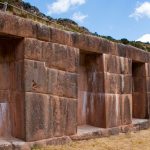
Tambomachay is one of the most important Inca archaeological sites near Cusco. It is believed to have been built during the reign of Inca Pachacútec (1438-1471), a period of expansion and consolidation of the Inca Empire. Its primary function remains a subject of study, although several theories indicate that it was a ceremonial center dedicated to water.
The Spanish conquistadors did not record this site in detail, as it did not have large buildings or golden temples like other Inca sites. However, early explorers and chroniclers described it as a place of rest and purification. Its architecture reveals advanced engineering, with water fountains that continue to function after centuries.
Significance of Tambomachay
The name comes from the words “Tambo,” meaning resting place, and “Machay,” which is associated with caves or sacred places. This reinforces the theory that Tambomachay was a place of retreat and ceremony, where the Incas performed purification rituals with water, considered sacred.
Geographic Area and Location
Tambomachay is located 8 km from the city of Cusco, within the Sacsayhuamán Archaeological Park. Its altitude is 3,700 meters above sea level, and it is surrounded by mountains and Andean landscapes with vegetation typical of the Peruvian highlands.
Environmental Characteristics
– High altitude: It is advisable to acclimatize before visiting.
– Cold and dry climate: Especially in the winter months, from June to August.
– Easy access: Located on one of Cusco’s most popular tourist routes.
Ways to Get to Tambomachay

Transportation Options
– Public transportation: You can take a bus from Cusco’s Plaza de Armas for less than 5 soles.
– Private taxi: The most comfortable option, priced between 20 and 40 soles depending on the season.
– Trekking: The hike from Cusco takes approximately 2 hours, ideal for those seeking a more natural and challenging experience.
– Guided tour: Available through local agencies, usually combined with sites such as Qenqo and Puca Pucara.
Latest Research and Discoveries
Recent studies have revealed interesting information:
– Connection to the Inca hydraulic network: Engineering at Tambomachay indicates that the water came from underground springs.
– Possible military function: Research suggests that the site was a strategic control point for those entering and leaving Cusco.
– Water properties: Some analyses have identified minerals that could have been used in rituals.
Key Tips for Visiting Tambomachay
– Acclimatization: Given the altitude, it is recommended to drink coca tea before visiting.
– Avoid touching the water sources: To preserve their original state.
– Bring warm clothing: Especially during the colder months.
– Visit in the morning: Fewer tourists and better lighting for photos.
Nearby Population and Local Culture
The communities near Tambomachay are predominantly Quechua-speaking, dedicated to agriculture, weaving, and tourism. Visitors can find craft markets with handmade textiles and products such as pottery and silver jewelry.
Tourism and Cultural Activities
Tambomachay is part of the Sacsayhuamán-Puca Pucara-Qenqo tourist circuit and offers experiences such as:
– Andean ceremonies honoring water and Pachamama.
– Trekking routes to other archaeological sites.
– Horseback riding in the surrounding area.
– Photographic exploration of Inca architecture.
Surrounding Flora and Fauna
Flora
– Ichu (Andean grass)
– Queñua (native tree)
– Molle (medicinal tree)
Fauna
– Free-roaming llamas and alpacas
– Vizcachas (small rodents)
– Condors in mountain areas
Detailed Itinerary for Visiting Tambomachay
Here is a suggested itinerary to make the most of your visit:
Morning
– 7:00 AM – Breakfast in Cusco.
– 8:00 AM – Departure by transport to Tambomachay.
– 8:30 AM – Arrival and initial tour.
– 9:00 AM – Exploration of Inca hydraulic architecture.
– 10:30 AM – Visit to Puca Pucara.
Afternoon
– 12:30 PM – Lunch at a local restaurant.
– 2:00 PM – Hike in the surrounding area.
– 3:00 PM – Optional Andean ceremony.
– 4:30 PM – Return to Cusco.
Conclusion
Tambomachay is a historical and natural treasure, ideal for those seeking to learn about Inca hydraulic engineering, Andean culture, and the scenic beauty of the Andes. It is a site of ritual and rest, which continues to fascinate archaeologists, tourists, and locals.

You might also like