Qenqo is a fascinating archaeological site with a rich history and stunning natural surroundings. To provide you with detailed and structured information, here is a complete guide to Qenqo:

Summary
Discovery and Significance of Qenqo
Qenqo, whose name means “labyrinth” in Quechua, is an archaeological complex located in the Sacred Valley of the Incas, near Cusco. It is believed to have been an Inca ceremonial center where religious rituals and sacrifices were performed. Its rocky structure, carved in stone, displays canals, petroglyphs, and zoomorphic figures that reflect the Andean worldview.
Location and Geographic Area
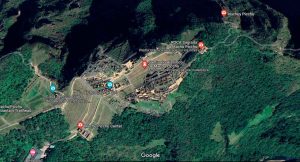
Qenqo is located approximately 5 km northeast of Cusco, on Socorro Hill, at an altitude of 3,580 meters above sea level. Its surroundings are composed of Andean mountains and vegetation typical of the region, with a cool, dry climate for most of the year.
How to Get to Qenqo
There are several ways to get to Qenqo from Cusco:
– Taxi: A taxi ride from downtown Cusco takes about 15 minutes.
– Public transportation: You can take a bus to Pisac and get off at the entrance to Qenqo.
– Guided tour: Many travel agencies include Qenqo in their tours of nearby archaeological sites.
Characteristics of the Archaeological Complex
Qenqo is divided into two main sectors:
– Qenqo Grande: The largest rock formation, with tunnels and canals carved in stone.
– Qenqo Chico: A smaller structure with petroglyphs and ceremonial spaces.
Its main attractions include:
– The Intihuatana: An astronomical observatory used by the Incas to measure time and solstices.
– The Amphitheater: A semicircular space with niches carved into the rock, possibly used for ceremonies.
– The Sacrificial Room: An underground chamber where religious rituals were performed.

Latest Research
Recent archaeological studies have revealed that Qenqo may have been a cult center dedicated to Pachamama (Mother Earth). Remains of offerings and evidence of rituals have been found that suggest its importance in the Inca worldview.
Tips for Visiting Qenqo
– Wear comfortable and warm clothing, as the weather can be cold in the morning and afternoon.
– Wear appropriate hiking footwear, as the terrain is uneven.
– Hire a tour guide to better understand the history and meaning of the structures.
– Avoid touching the structures to preserve the archaeological site.
Nearby Population and Tourism in Qenqo
The population near Qenqo is primarily made up of Quechua communities who maintain their traditions. In Cusco, visitors can enjoy artisan markets, traditional cuisine, and cultural festivals.
Tourism in Qenqo is part of Cusco’s archaeological circuits, along with Saqsayhuamán, Puka Pukara, and Tambomachay. It is a popular destination for those looking to explore Inca history and Andean nature.
Cultural Activities, Flora, and Fauna
A variety of activities can be enjoyed around Qenqo:
– Andean rituals: Some communities organize “Payment to the Earth” ceremonies at this site.
– Photography and petroglyph observation: Ideal for those who enjoy rock art.
– Hiking: There are trails that connect Qenqo with other nearby archaeological sites.
The flora and fauna of the area include:
– Flora: Ichu (Andean grass), queñua, eucalyptus, and various species of wildflowers.
– Fauna: Condors, falcons, vizcachas, and Andean foxes.
Detailed Itinerary for Visiting Qenqo
Here is a suggested itinerary for a complete visit to Qenqo:
Morning
– 8:00 AM: Departure from Cusco by taxi or bus.
– 8:30 AM: Arrival in Qenqo and tour of the Amphitheater.
– 9:30 AM: Exploration of the Intihuatana and astronomical observation.
– 10:30 AM: Visit the Sacrificial Hall and petroglyphs.
– 11:30 AM: Walk through the surrounding area and observe the flora and fauna.
Afternoon
– 12:30 PM: Lunch in Cusco or at a nearby restaurant.
– 2:00 PM: Visit other nearby archaeological sites such as Saqsayhuamán.
– 4:00 PM: Return to Cusco and free time to explore the city.
Chronicles of Qenqo
Qenqo remains an enigmatic archaeological site that has captured the attention of historians and travelers. According to various chronicles, this Inca sanctuary was a ceremonial center where rituals of worship were performed to Pachamama and other deities. Its zigzag-shaped rock structure and underground canals have been interpreted as spaces for sacrifices and offerings.
New Research
Recent studies have revealed that Qenqo may have been a place of mummification and ancestor worship. Ashes have been found that suggest the Incas performed funerary ceremonies at this site. Furthermore, archaeologists have identified symbols carved into the rock that represent sacred animals such as the condor, the puma, and the serpent, reflecting the Inca worldview.
Qenqo o Llactapata
The theory that Qenqo could have been Llactapata, the tomb of Pachacútec, arises from archaeological interpretations and historical chronicles that suggest this site may have been a royal burial site. Some researchers have pointed out that Qenqo’s labyrinthine structure, along with its carved stone canals and possible ceremonial function, could indicate that it was a funerary space intended for a figure of great importance, such as Pachacútec.
Furthermore, there has been speculation that Llactapata, an archaeological site near Machu Picchu, could have been the final resting place of the great Inca ruler. However, the exact location of Pachacútec’s tomb remains remains a mystery, and some historians maintain that his remains were moved to Lima during the colonial era.
Several chroniclers have documented aspects of Inca culture and its archaeological sites, although they do not always specifically mention Qenqo or Llactapata. However, some of the most relevant include:
- Pedro Cieza de León: In his work Chronicle of Peru, he describes various Inca sites and their importance within the Tahuantinsuyu.
- Felipe Guaman Poma de Ayala: In New Chronicle and Good Government, he offers an indigenous perspective on Inca organization and ceremonial spaces.
- Inca Garcilaso de la Vega: In Royal Commentaries of the Incas, he details the Inca worldview and mentions places of worship and burial.
Although these chroniclers do not directly identify Qenqo as Llactapata or the tomb of Pachacútec, their accounts have been fundamental in interpreting the function of these archaeological sites.
Carved Figures at Qenqo
The rocks at Qenqo feature various symbolic figures carved with great precision by the Incas. Some of the most representative include:
– The Puma: One of the carvings is believed to represent this sacred animal, a symbol of power and strength in Inca culture.
– The Serpent: A winding channel carved into the rock symbolizes the Amaru, the mythical serpent that connects the earthly world with the spiritual.
– The Condor: Some interpretations suggest that certain shapes in the stone represent this bird, linked to the sky and spirituality.
The Monolith of Qenqo

One of the most enigmatic elements of Qenqo is its central monolith, a large rock approximately 6 meters high resting on a rectangular pedestal. It is believed that this monolith represented a deity or a ceremonial altar where religious offerings and rituals were performed. Its surface shows signs of erosion, but it still preserves carved details that suggest its importance in the Inca worldview.
Circular Terraces
Qenqo features a semicircular amphitheater, a structure with trapezoidal niches that was likely used for public ceremonies. This space has a diameter of 55 meters and is surrounded by 19 niches that may have been used to display idols or sacred figures. The circular arrangement of the terraces suggests that the Inca performed collective rituals here, possibly related to agriculture and astronomy.

You might also like